Turning Seawater into New Water Supply in South Texas
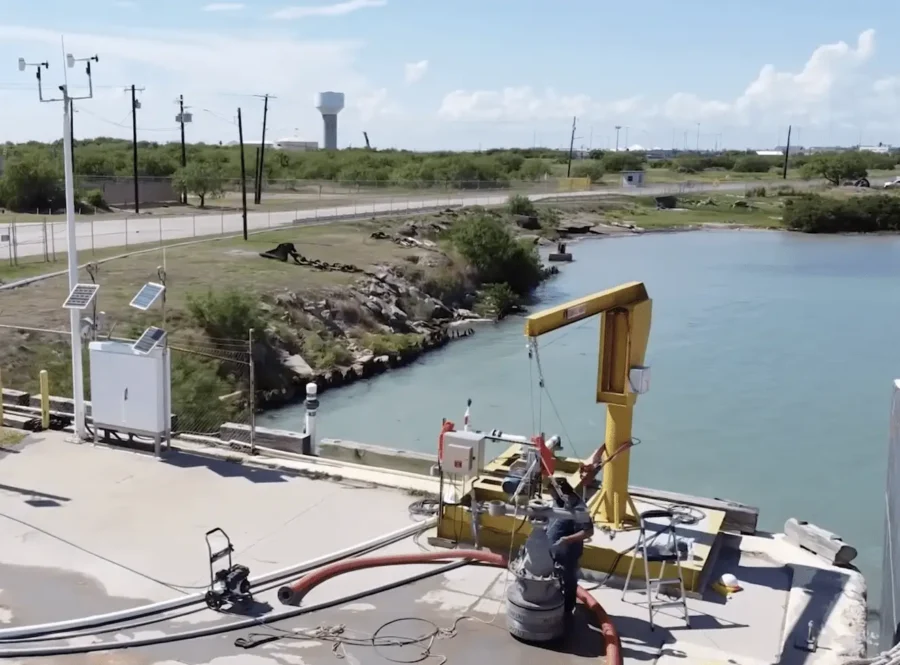
Table of Contents
Share Article



The Laguna Madre Water District provides water to several communities, including South Padre Island and Port Isabel, serving both residents and tourists. Today, that water comes from the Rio Grande, but that supply has been steadily declining.
“We draw our water from the Rio Grande,” said Noe Cantu, Manager of the Laguna Madre Water District. “Over the last few years, it’s gradually declined…the biggest thing is drought condition.”
After more than five years of ongoing drought, the district began looking for alternatives.
“You want to widen your portfolio. You want to make sure that we have other resources than just the one.”
Testing Seawater Desalination in Port Isabel
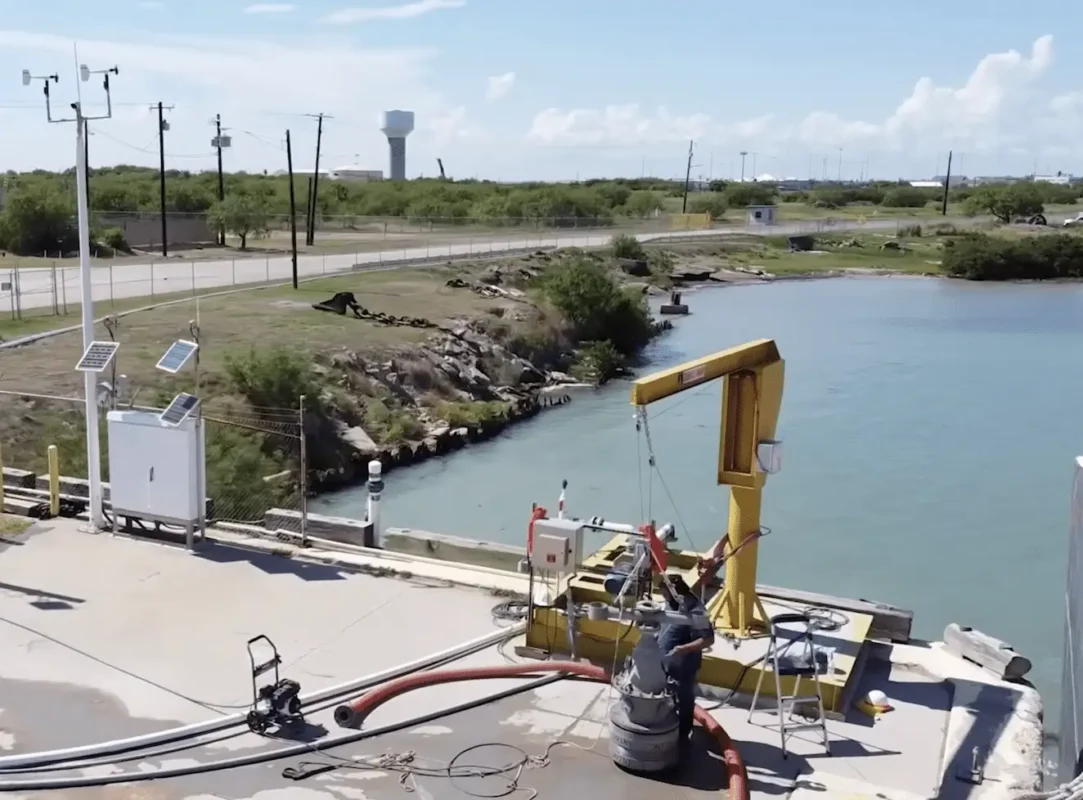
At a pilot facility in Port Isabel, the district is testing seawater desalination—a process that removes salt from ocean water to make it safe to drink. While desalination is already used in some parts of Texas, these systems treat brackish groundwater rather than seawater.
“We have access to good source water from a seawater standpoint,” said Charles Ortiz, District Engineer at the Laguna Madre Water District. “The tide helps us; there’s a lot of circulation here.”
How Saltwater Becomes Drinking Water
The system draws in seawater from the Laguna Madre, where constant tidal movement helps keep water circulating, maintaining good water quality at the source. It then treats the water in stages—first removing particles and sediment, then using a process called reverse osmosis. In that process, pressure pushes water through large, plastic cylinders with specialized filters that separate the salt and other minerals from the water so that it can then be used for drinking.
The desalinated water from the bay will be piped into an existing water treatment plant, allowing seawater to supplement traditional surface water supply.
“It’ll essentially comingle with our diversions from the river so they can supplement each other,” Ortiz said.
Planning for the Bay
Engineers are also working to minimize environmental impact by relying on the natural movement of tides, which regularly move and mix water in and out of the bay, to safely return treated water to the bay.
If successful, the project could provide a more flexible and reliable water supply for the region.
“This ensures that we don’t only have to rely on the Rio Grande,” Cantu said.
“Seawater desalination, for us, is our answer to be able to provide for generations to come.”