Where does Texas’ water come from?
Across Texas, water primarily comes from three sources:
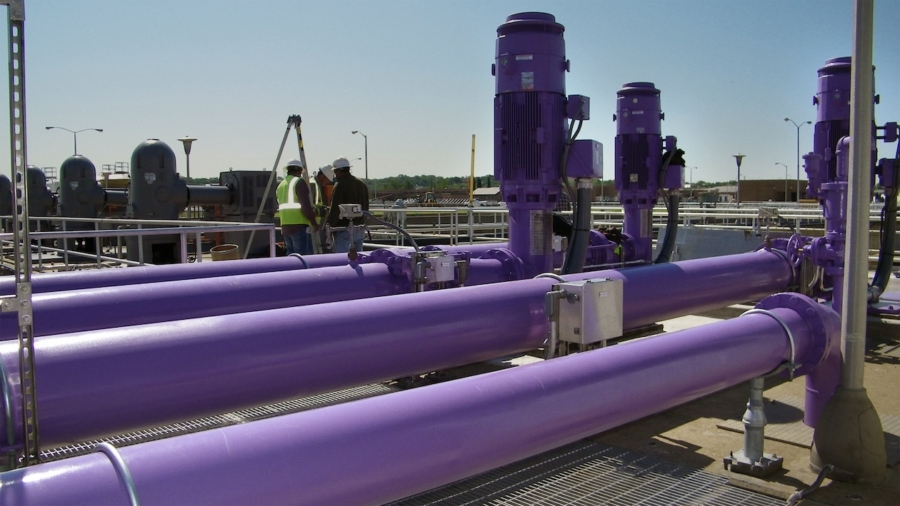
Where does my water come from?
Your local water source depends on where you live.
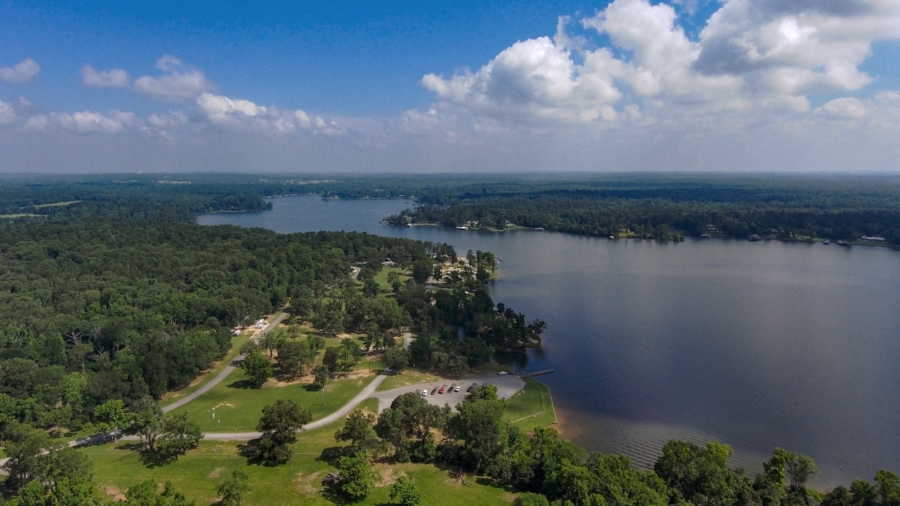
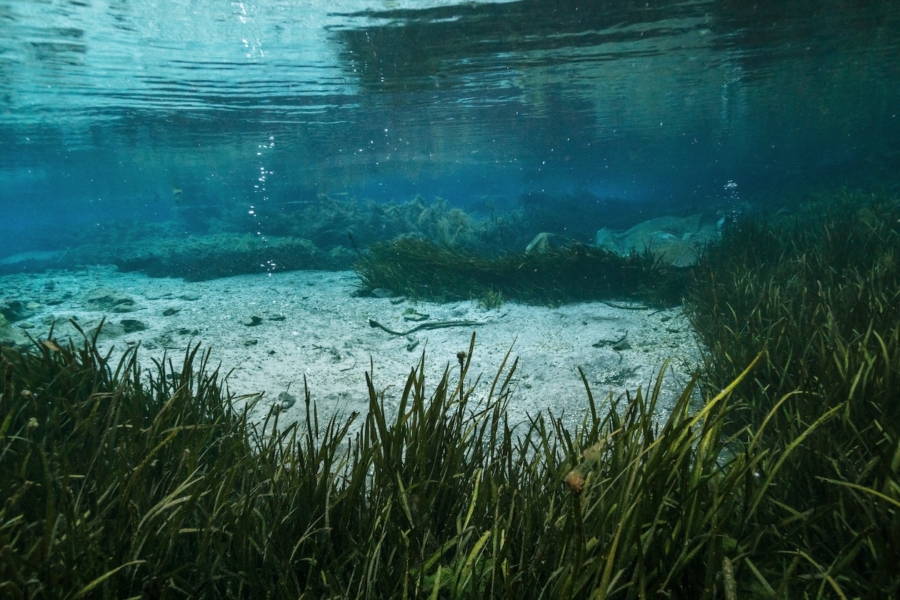
Most Texans rely on a combination of surface water and groundwater managed by local providers or utilities.
Learn more about the water sources in your county by using our zip code tool.
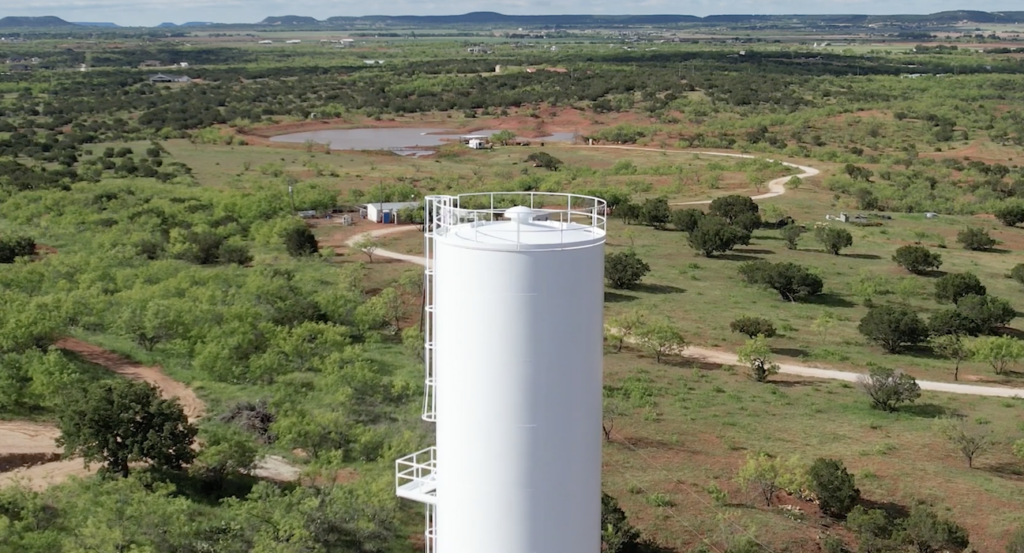
How does water get to my home?
If you live in or near a city, your water is most likely:
- collected from rivers, reservoirs, and/or aquifers (or through strategies like reuse and desalination);
- treated at a facility, where it is cleaned and the quality is tested to meet safety standards; and
- delivered to your home through pipes and storage systems.
This process is managed by local utilities and water providers.
If you live outside of a city or in a rural area, your water most likely comes from a private groundwater well or from a small/private water utility. While your water is also likely treated, the processes and delivery systems can vary depending upon where you live.
Why is water a challenge in Texas?
Texas faces multiple water-related challenges, including water scarcity, drought, flooding, pollution, aging infrastructure, and affordability. These challenges vary widely across the state, where a fast-growing population is increasing demand on a limited water supply.
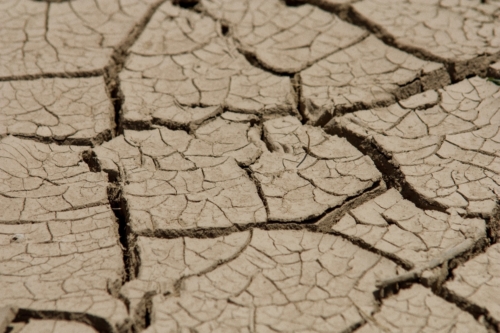
Much of Texas regularly experiences drought, which reduces water availability in rivers, reservoirs, and aquifers. In many areas, natural recharge (rainfall replenishing these sources), isn’t keeping pace with how quickly water is being used.
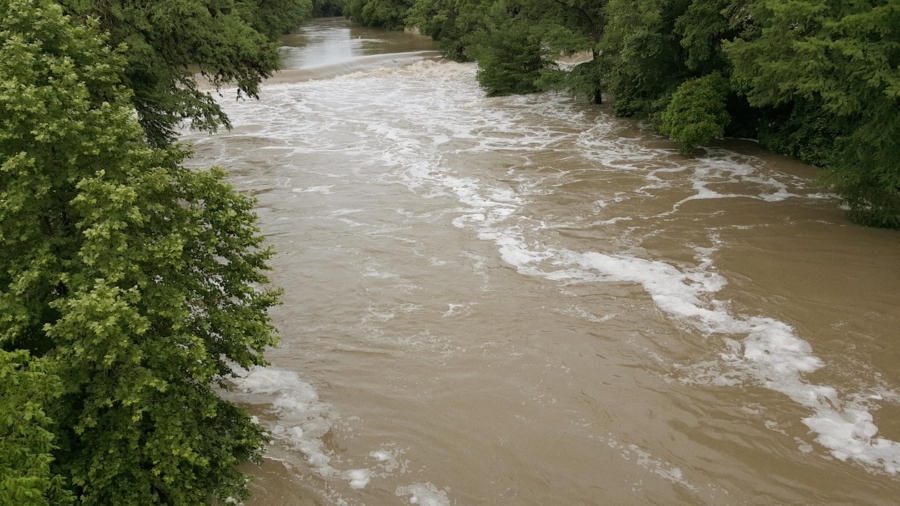
At the same time, regions such as East Texas, which receive higher annual rainfall, can experience flooding.
What’s being done to meet future demands?
Water demand is increasing as the population grows. Texas’ population is expected to increase more than 53 percent between 2030 and 2080, from 34.2 million to 52.3 million. Water demands are projected to increase by approximately 6 percent, while existing water supplies are expected to decline by approximately 10 percent.
Texas uses long-term planning to identify diverse strategies that meet the specific future demands of each part of the state. The Texas Water Development Board 2027 State Water Plan proposes 6,700 water management strategies to provide an additional 7.6 million acre-feet of water by 2080. Approximately 30 percent of Texas’ future water supply is expected to come from conservation strategies.

How is water in Texas being used and managed?
Water is used across multiple sectors:
- Irrigation (agriculture) – the largest water user in the state
- Municipal (cities and homes) – the second largest water user that is growing along with the population
- Manufacturing and industry
- Steam electric power (energy production)
- Livestock
- Mining
Every five years, Texas’ 16 regional water planning groups develop plans to address water use for each of these sectors in their region.
You can learn about these usage types and strategies through the TWDB Interactive 2027 State Water Plan.

Why does water infrastructure matter?
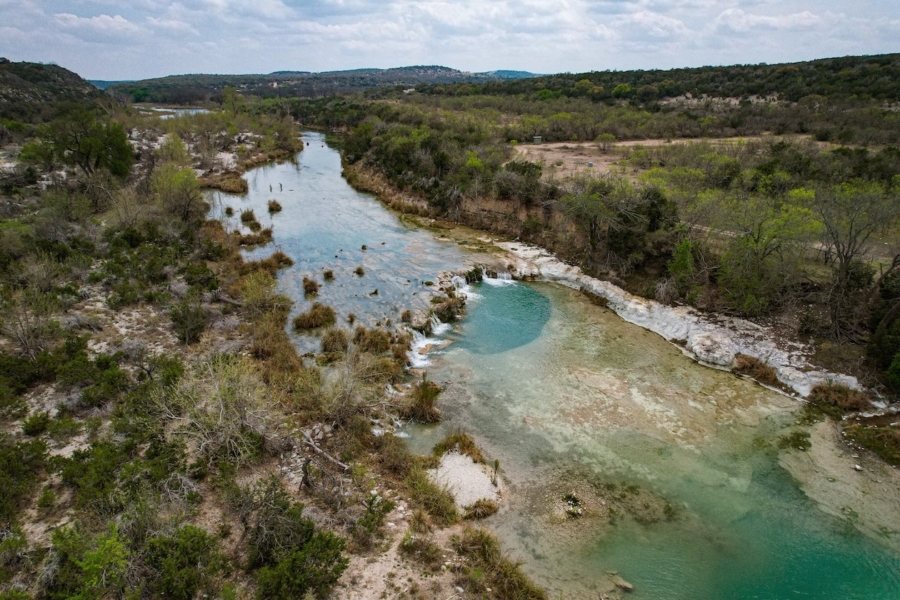
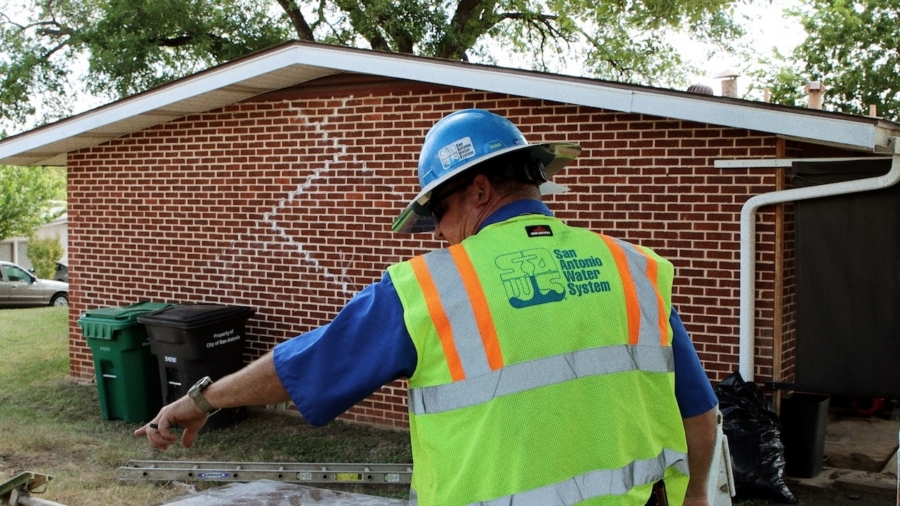
Water infrastructure often goes unseen and is taken for granted, but it’s a vast and critical system that maintains day-to-day life by supporting communities, agriculture, and businesses across Texas.
These built, natural, and human systems ensure water is available, reliable, and ready to meet the needs of Texans’ way of life.
What is the current state of water infrastructure in Texas?
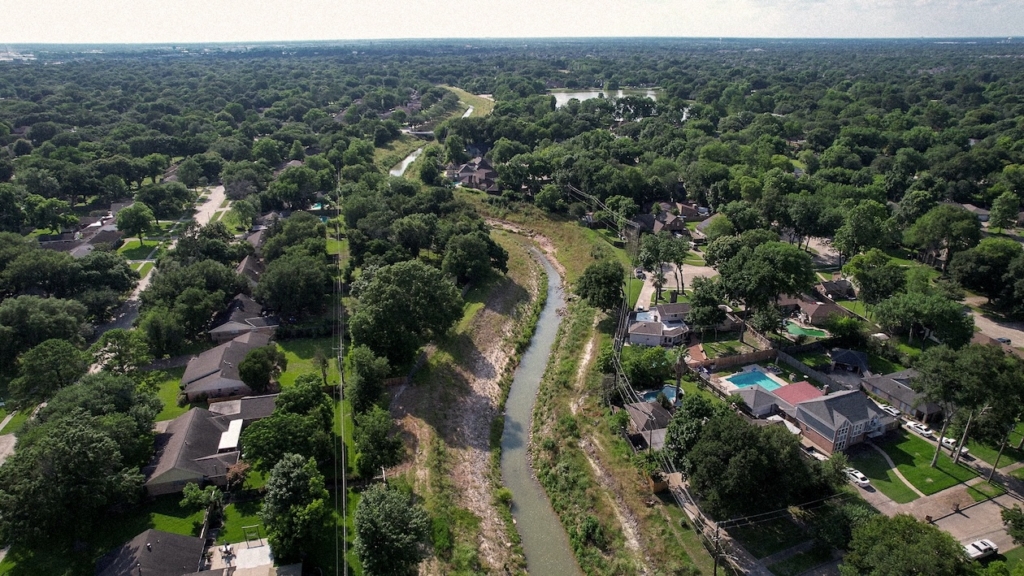
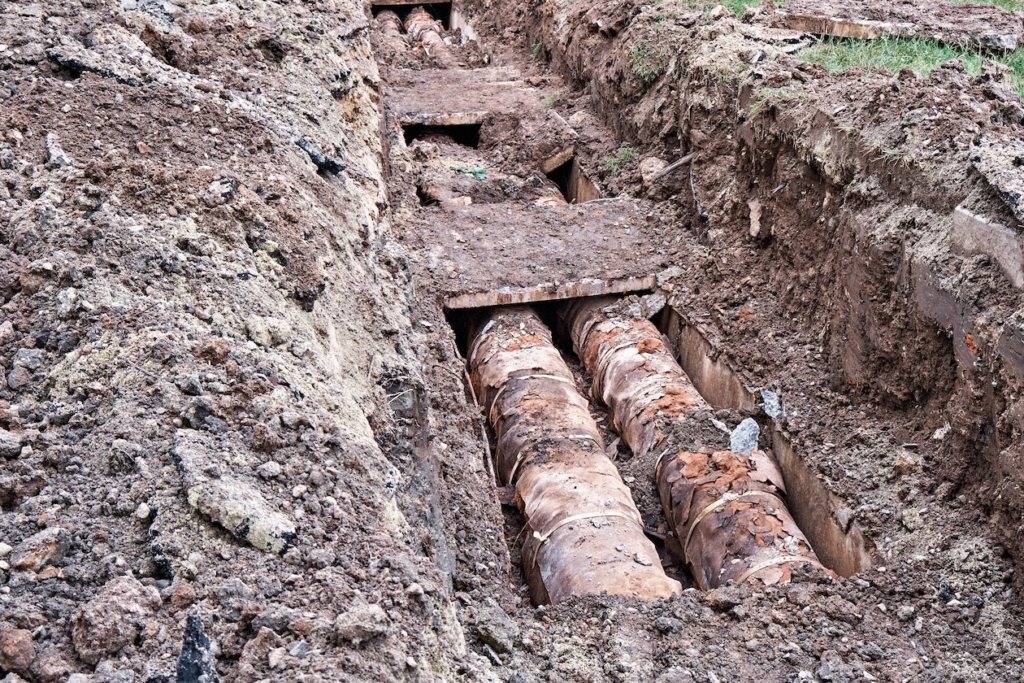
Texas’ water infrastructure supports millions of people every day, but many of our systems across the state are aging and becoming increasingly fragile.
- Public water systems in Texas are losing a total of approximately 169 billion gallons of water—148 billion gallons due to physical leaks and another 21 billion gallons due to unauthorized consumption, inaccurate meters, and billing errors. Addressing water loss by fixing leaks or testing meter accuracy would help conserve our existing resources. See the TWDB Water Loss Dashboard to learn more.
- Natural water infrastructure—from rivers and aquifers, to forests and wetlands—is under pressure from land use changes, drought and extreme weather. Protecting and restoring these systems helps sustain long-term supplies.
- The water industry workforce—essential for maintaining built and natural infrastructure—is aging and retiring at a rate faster than new professionals are being hired. Expanding training programs, leveraging existing education initiatives, and securing dedicated funding can help close this gap.
What is being done to protect water sources from pollution and runoff?
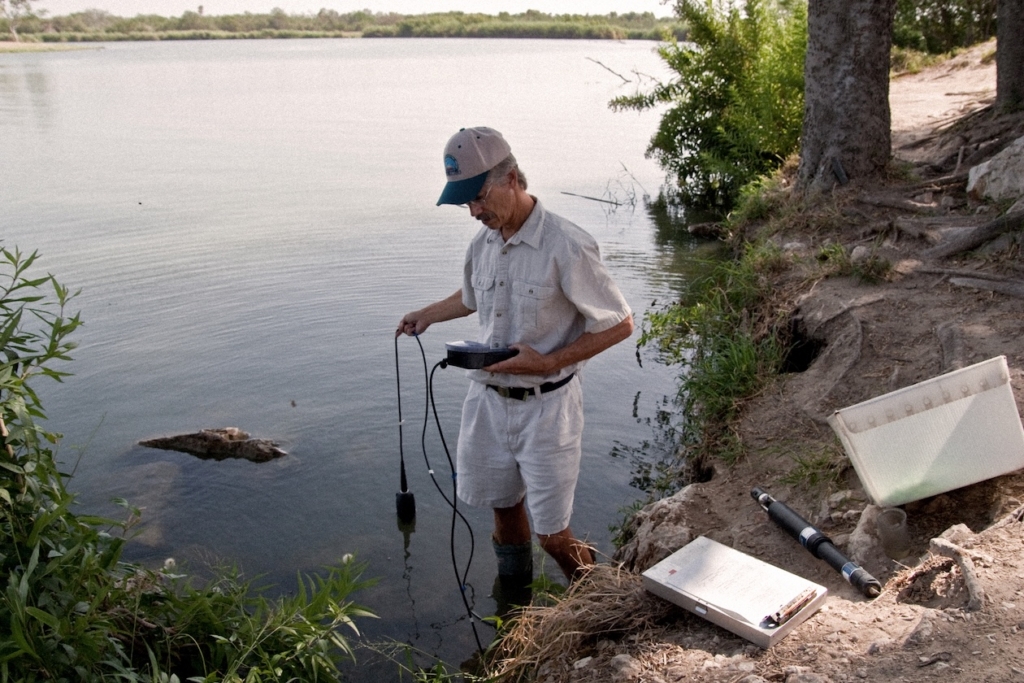
Maintaining Texas’ infrastructure ensures that water quality is protected through monitoring, regulation, and treatment. State and local agencies work to manage pollution risks and ensure public drinking water safety standards are met.
What’s being done to improve Texas water infrastructure?
Across Texas, communities and the state are investing in projects to repair aging systems, reduce water loss, and improve system reliability.
In 2025, Texas voters approved Proposition 4, a measure dedicating up to $1 billion per year from 2027–2047 to the Texas Water Fund for water, wastewater, and flood infrastructure projects.
How is water infrastructure funded?
Water projects are financed through a combination of loans and grants administered by the state, local utilities and communities, along with other low-interest financing tools. Since 1957, the state and federal government have committed more than $44 billion in assistance for water infrastructure projects across Texas through the Texas Water Development Board.

Who’s making sure the money goes to water projects?
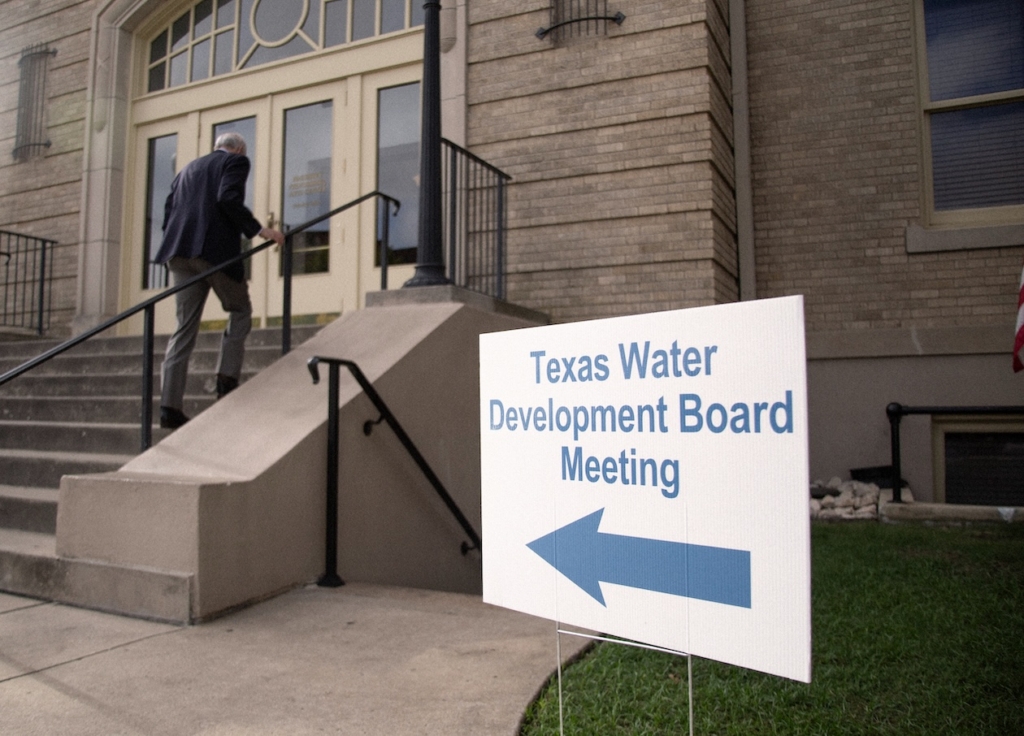
Financial assistance programs for water projects are administered by the Texas Water Development Board and local entities, with oversight processes in place to ensure funds are used for approved water supply and infrastructure projects. The TWDB is led by a three-member, governor-appointed Board along with an executive administrator who oversees nearly 500 employees.
How does Texas plan for water?
Texas uses a bottom-up process, meaning water planning starts at the community level.
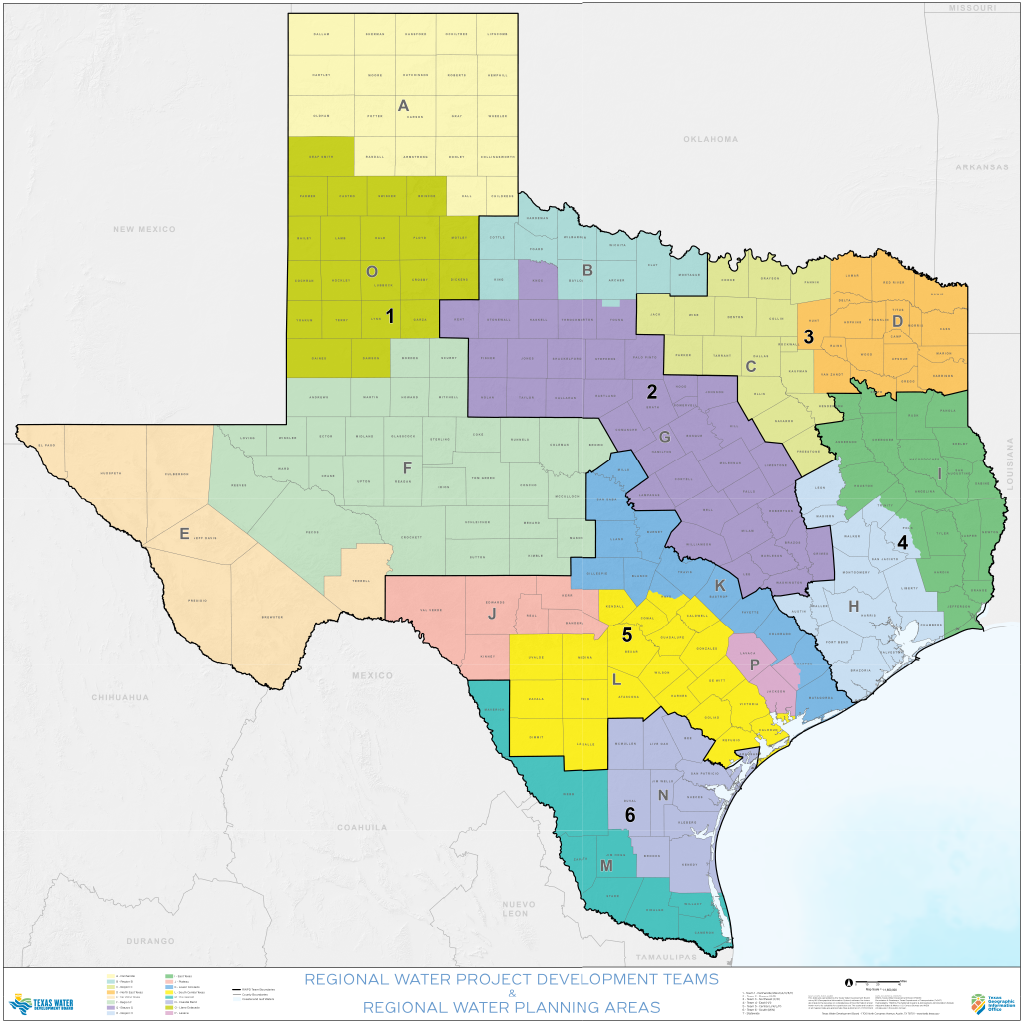
There are 16 regional water planning groups that develop plans based on local needs. These regional plans are then combined into the state water plan, which outlines strategies to meet future water demand across Texas.
This process is how Texas identifies its most important water needs and prioritizes infrastructure projects across the state. Projects included in these plans are eligible for funding through the Texas Water Development Board.
Each of the 2026 Regional Water Plans is available on the TWDB website. These plans form the basis of the Draft 2027 State Water Plan.
What are Regional Water Planning Groups?
Regional water planning groups are made up of local stakeholders representing cities, agriculture, industry, utilities, environment, small businesses, river authorities, groundwater districts, and the public. The groups identify water needs and recommend solutions for their region every five years.
Find out what regional water planning group you’re in by using our zip code tool.

What is the Texas Water Development Board (TWDB)?
The mission of TWDB is to lead the state’s efforts in ensuring a secure water future for Texas that will help maintain the viability of the state’s natural resources, health, and economic development.
The agency’s primary responsibilities include
- collecting and disseminating water-related data,
- assisting with regional water supply and flood planning that contribute to preparing the state water and flood plans, and
- providing financial assistance to Texas communities for water supply, wastewater treatment, flood control, and agricultural water conservation projects.
Water management strategies are the solutions recommended by regional water planning groups to help their region meet future water needs.
Recommendations can include conservation, new reservoirs, groundwater development, water reuse, desalination, and other approaches tailored to local needs. Some strategies require new infrastructure projects, while others focus on using existing water resources more efficiently.
The 2027 State Water Plan includes 6,700 recommended water management strategies and 3,000 water management projects across Texas.
How can I help?
Conserving water at home is a fantastic place to start, but it’s also critical for Texans to learn about your water: how much you use, where it comes from, the specific challenges facing your area, and the solutions being explored by your regional water planning group.
Here are a few ways to get started:
1. Get to know your water provider
Check your water bill. Many water utilities share details about your supply and offer rebates or incentives for efficient fixtures—and you’ll find even more information on their website.
2. Learn about your water planning region
Use our zipcode lookup tool to identify your regional water planning group, then visit the TWDB website to drill down and see what’s happening in your local area.